Physical Address
304 North Cardinal St.
Dorchester Center, MA 02124
Physical Address
304 North Cardinal St.
Dorchester Center, MA 02124


Navigating the Seas of Memory and the Weight of Smoke
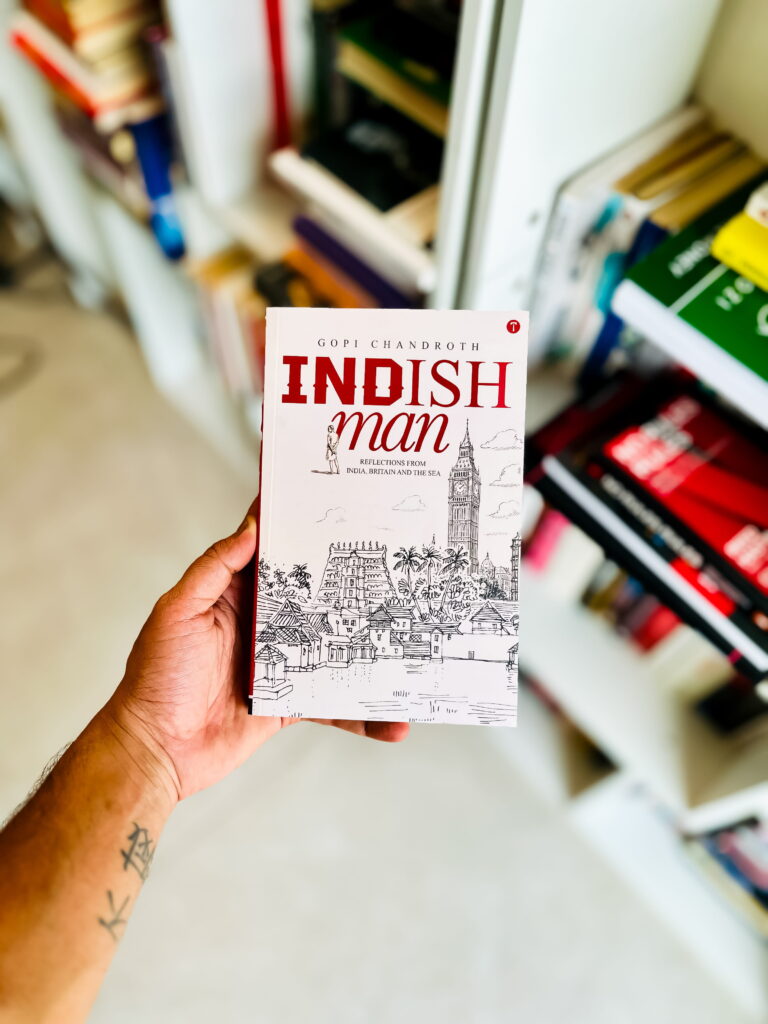
There is a quiet power in the realization that the places of our childhood often become territories we can no longer visit except through the act of writing. For the author of Indish Man, home is a black Hindustan car winding through the verdant landscapes of Kerala, past yellow milestones and blood red hibiscus. It is a world where the Iritty River once snorted iridescent sprays like a wild galloping beast before it was tamed by a dam. This nostalgic landscape is the foundation for a life that eventually moved from the lush greenery of the East to the cold salt spray of the West, yet the essence of that original home remains a permanent fixture in the mind. When the physical house of his youth was eventually demolished and the solid wood staircase put up for sale, the author realized he did not need the literal steps to remember the sound of his father in wooden clogs or the smell of the mysterious under stairs storage area. Instead, he built a house in his mind where all the ghosts, old fears, and gods could live in a sort of ever after permanence.
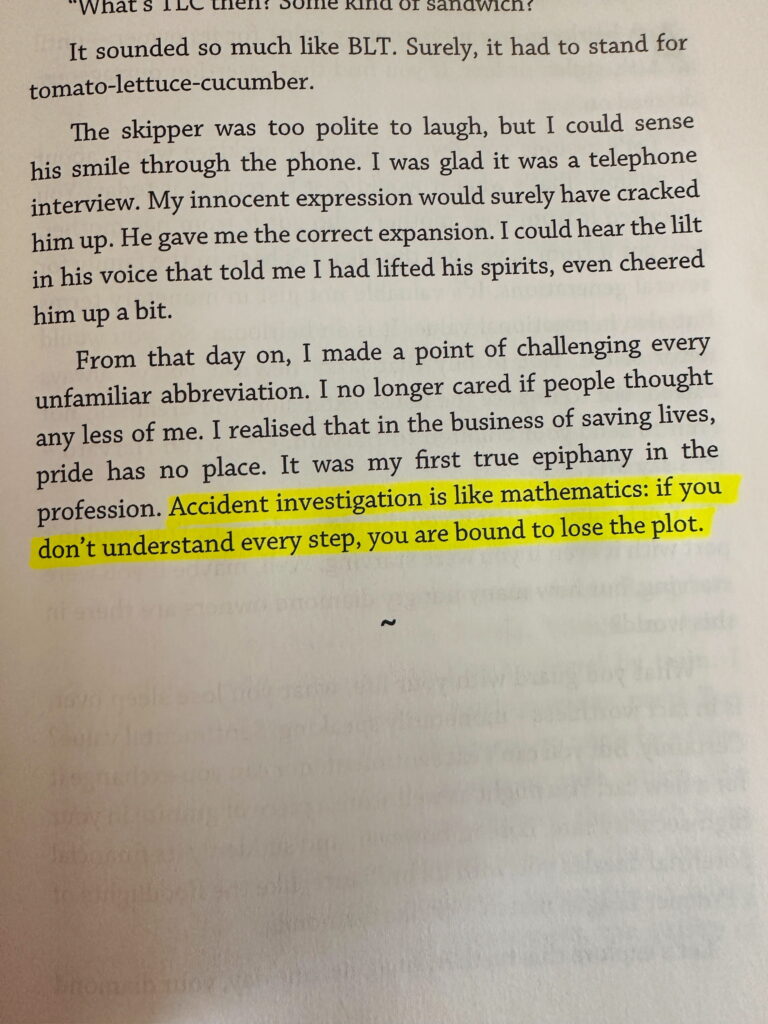
The journey from the soil of Kerala to the steel of a merchant ship is one of profound transformation. As a marine engineer, the author describes the engine room as a chapel, a compact and complex space where the chief engineer must watch the color of smoke as if it were a portent of the future. Black smoke indicates poor combustion, blue suggests excessive oil consumption, and near colorless smoke is the elusive holy grail of the profession. It is a life of high stakes where pride has no place, a lesson learned during an early accident investigation when a simple misunderstanding of an abbreviation led to a major epiphany. He once thought TLC stood for a tomato lettuce cucumber sandwich, only to realize with a sense of humility that it meant tender loving care. This willingness to challenge his own ignorance became a guiding principle, proving that understanding every step is as vital in life as it is in mathematics.
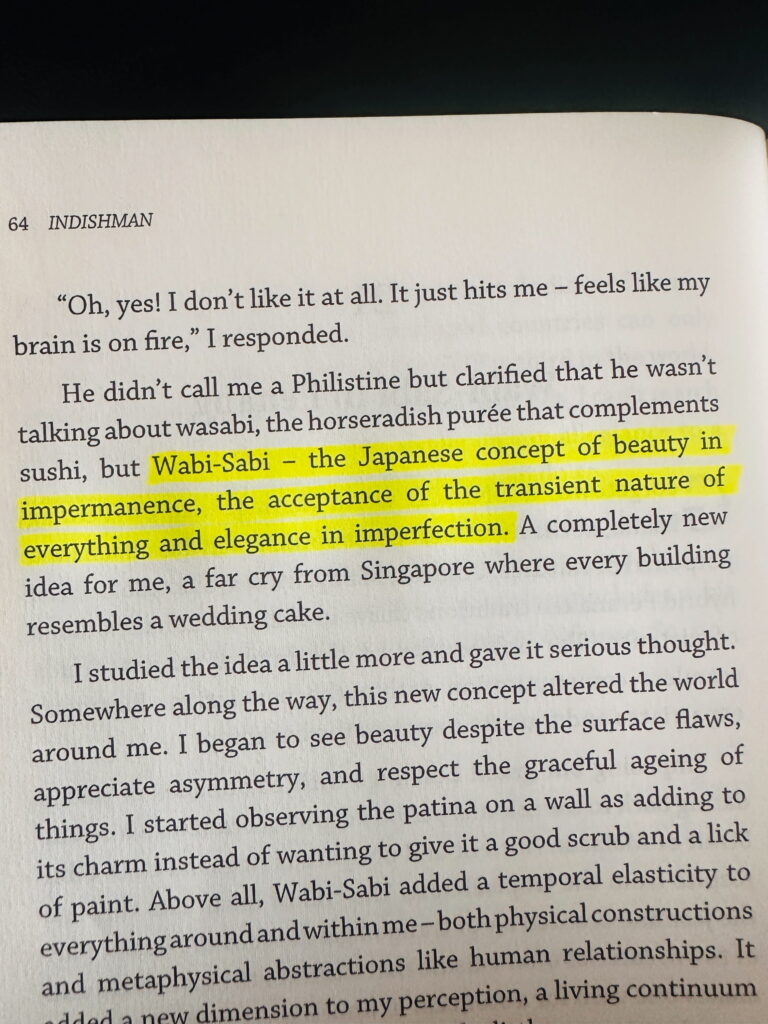
Living between two worlds naturally brings about a sense of duality, a state the author views with a mixture of happiness and philosophical detachment. He describes himself as a man of dual identities, both transient and illusory. This perspective is often tested by the linguistic puzzles of his adopted home in England. For instance, a simple compliment from a cafe owner about “bringing the sun” led to a humorous moment of confusion where the author thought the man was mistaking his wife for his son. Even his own name, Gopi, is frequently misspelled as Gobi, which he gently points out means cauliflower or cabbage in Hindi. These small human errors serve as reminders of the Japanese concept of Wabi Sabi, which finds beauty in impermanence and elegance in imperfection.
This philosophy extends to the author’s observations on society and governance. In Singapore, he reflects on the idea of the nanny state, a place where order and cleanliness are remarkable but come at the cost of a certain chaotic freedom. While he admires the efficiency of a system that can transform a nation, he ultimately concludes that a rounded education requires a sliver of defiance and a touch of madness, things that might be lost in a perfectly regulated world. His skepticism is also directed toward the modern world of banking, which he characterizes as a mad logic system where updating a mobile phone number involves a series of signature rejections and digital labyrinths. He describes the frustration of being told a form is paperless while being trapped in a Victorian mindset that demands every box be filled with exactitude.
The passage of time is a recurring theme, often marked by the physical and mental shifts that come with aging. A punctured cycle tyre on a delightful woodland track becomes more than just a mechanical failure; it becomes a moment that deflates his self image as a young man. He realizes that what he once did with ease now leaves him exhausted, as if he had run a marathon after a transcontinental flight. Similarly, a hearing test leads to a prophetic warning that uncorrected hearing loss could lead to cognitive impairment, a requiem for the last vestiges of youth. Despite these challenges, there is a stubborn refusal to fully surrender the things of youth, even if it means ditching the bike for a calming bus ride using an old age pensioner travel pass.
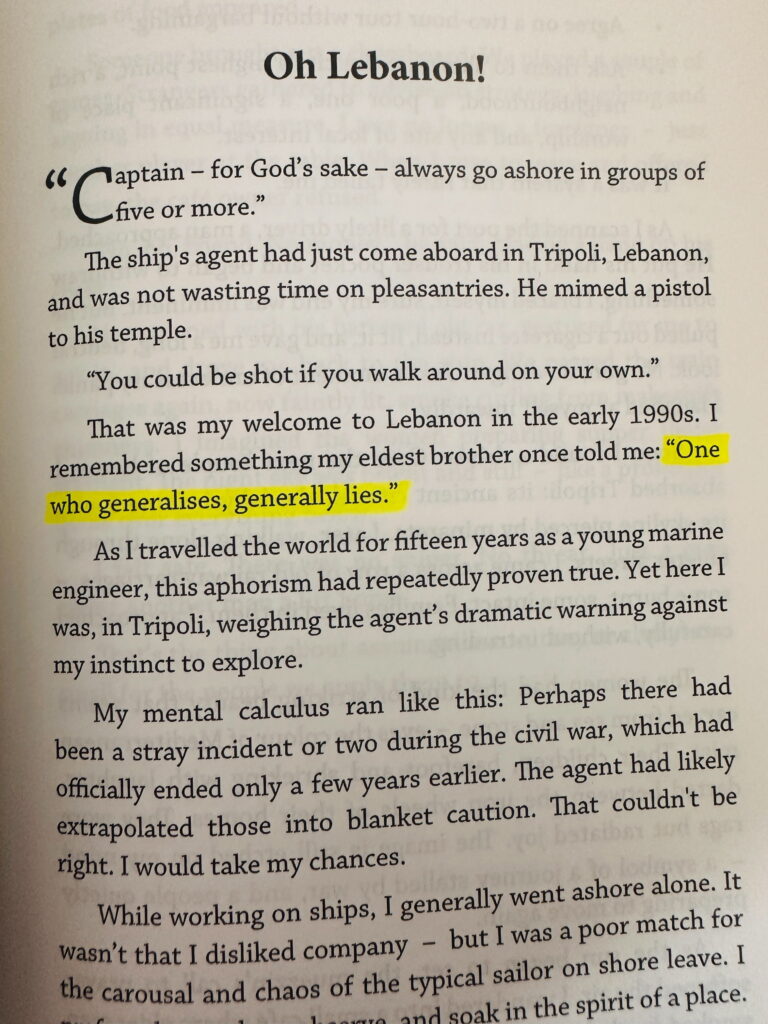
Travel provides a backdrop for some of the book’s most vivid reflections on history and truth. A visit to Powys Castle to see the Clive Collection of Mughal artefacts evokes a deep and unexplainable affinity, as if the author’s own history lay bare among the gold hilted daggers and ivory chess pieces. He views these objects not just as loot but as a connection to an epoch learned only through dry school lessons. In Spain, a misunderstanding of a menu item led him to believe he was being served the “beak of a rooster” when in fact it was merely a harmless vegetable salsa called pico de gallo. These experiences reinforce the idea that half knowledge can be dangerous, yet it often leads to the best stories.
Central to the author’s worldview is the rope snake conundrum, a philosophical question about reality and perception. If you jump back in fear mistaking a rope for a snake, the fear is genuine even if the snake is not. This highlights the idea that we all experience versions of reality that are shaped by our immediate perceptions. Whether it is fuming at a scratch on a car that turns out not to be his own, or the panic of missing a doctors appointment that was actually scheduled for the following day, the author illustrates how our minds create truths that are often as fragile as the present itself.
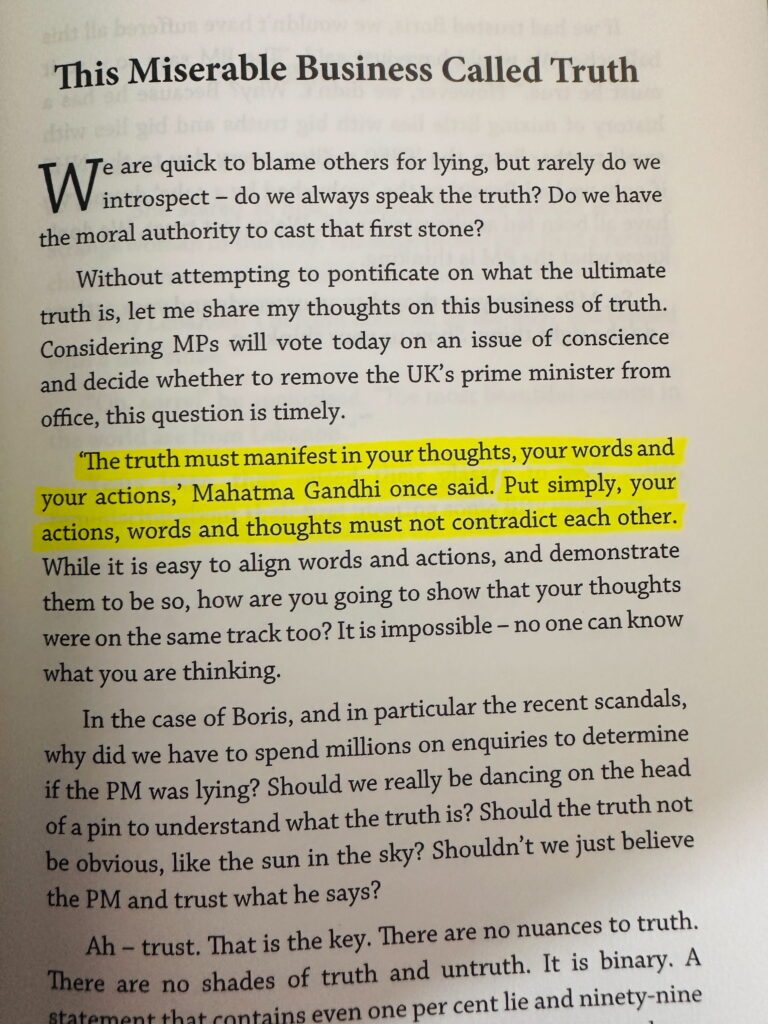
Ultimately, the book is a tribute to the art of storytelling, a passion inherited from a father who taught him how to keep an audience guessing. It is a collection of memories that finds value in the mundane, from the smell of burning camphor and hot coconut oil to the sight of a black and white dog roaming the streets of Delhi. It reminds us that truth must manifest in our thoughts and words, even if we occasionally fall short of that lofty ideal. In the end, the author finds peace in the realization that while he may not have the literal staircase of his childhood, he has built a resilient house in his mind to keep his stories safe.