Physical Address
304 North Cardinal St.
Dorchester Center, MA 02124
Physical Address
304 North Cardinal St.
Dorchester Center, MA 02124


In the early nineteen eighties, a young boy named Jonathan Tepper found himself living a life that felt like a strange cross between a religious crusade and a grit filled urban drama. His memoir, Shooting Up, is a remarkable account of growing up as the son of American missionaries in San Blas, a neighborhood on the edge of Madrid that was then known as the largest drug supermarket in Europe. While other children were playing with toys, Jonathan and his brothers were navigating fields littered with broken needles, handing out religious papers to heroin addicts in exchange for the promise of chocolate ice cream. It is a story that manages to be both heartbreaking and profoundly hopeful, written with a clarity that only someone who has truly lived through the fire can possess.

The heart of the book is not just the tragedy of addiction but the radical idea of grace. Jonathan’s father, a man with a Harvard degree who had his own life changed by a spiritual vision, did not look at the addicts of San Blas as lost causes. He saw them as sheep without a shepherd. Along with his wife, Mary, he opened their small apartment to bank robbers, thieves, and the most broken members of society. They did not just offer words; they offered a home. They founded an organization called Betel, which operated on the ancient principle of work and prayer. The men in the program spent their days restoring used furniture, a process that Jonathan describes as a beautiful metaphor for human life. Just as they sanded away layers of grime and old paint to reveal the fine grain of the wood beneath, they were learning to uncover the hidden nobility within themselves.
The characters who populate this world are vivid and deeply human. There is Raul, known as El Tocho, a man of immense physical strength and a past full of violence who became a protector and a mentor to the Tepper boys. There is Jambri, a former getaway driver who once rammed a police barricade in a stolen car and later found a new life as a leader in the community. These men were not just objects of a mission; they were friends and brothers who helped knit the soul of the young narrator. The writing avoids the trap of being preachy or clinical. Instead, it feels like a genuine attempt to understand how people can fall so far and yet find the strength to stand up again.
However, the narrative takes a dark and sobering turn as the AIDS epidemic begins to sweep through Spain. In San Blas, the virus was not just a distant headline; it was an invisible and deadly chain letter that claimed the lives of almost everyone Jonathan knew. The descriptions of the infectious diseases ward at the hospital are haunting. He describes the smell of bleach and the sight of skeletal friends who were once strong and vibrant. The sense of loss is staggering. By the time he reached his twenty first year, more than half of the leaders in the church and twenty five of his close friends had succumbed to the disease. It is a brutal reminder of how quickly life can be snatched away.
This external crisis is mirrored by a devastating personal tragedy. The Tepper family was shattered by a car accident that took the life of Jonathan’s younger brother, Timothy, when he was only nine years old. This moment is the emotional pivot of the book. The grief is described as a weight that makes it difficult to even breathe, a “black pit” that challenges the very foundations of their faith. The way the family navigates this loss, particularly the silent agony of Jonathan’s mother and the stoic hope of his father, is depicted with raw honesty. It shows that even for those who spend their lives helping others, there is no immunity from the random cruelty of the world.

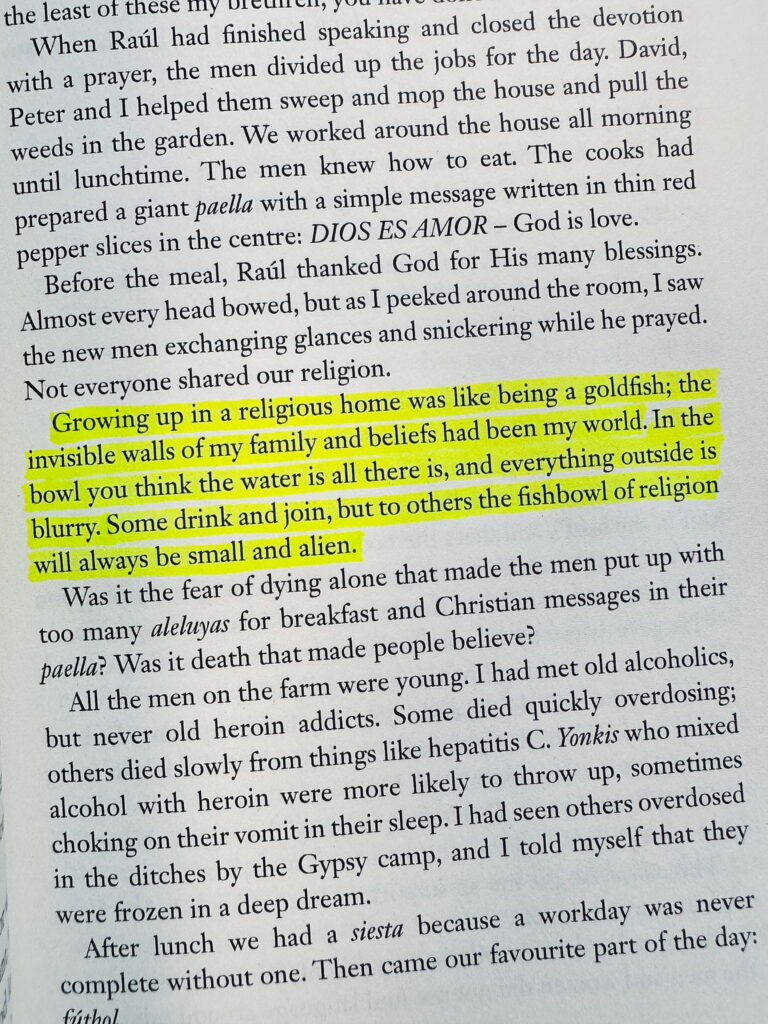
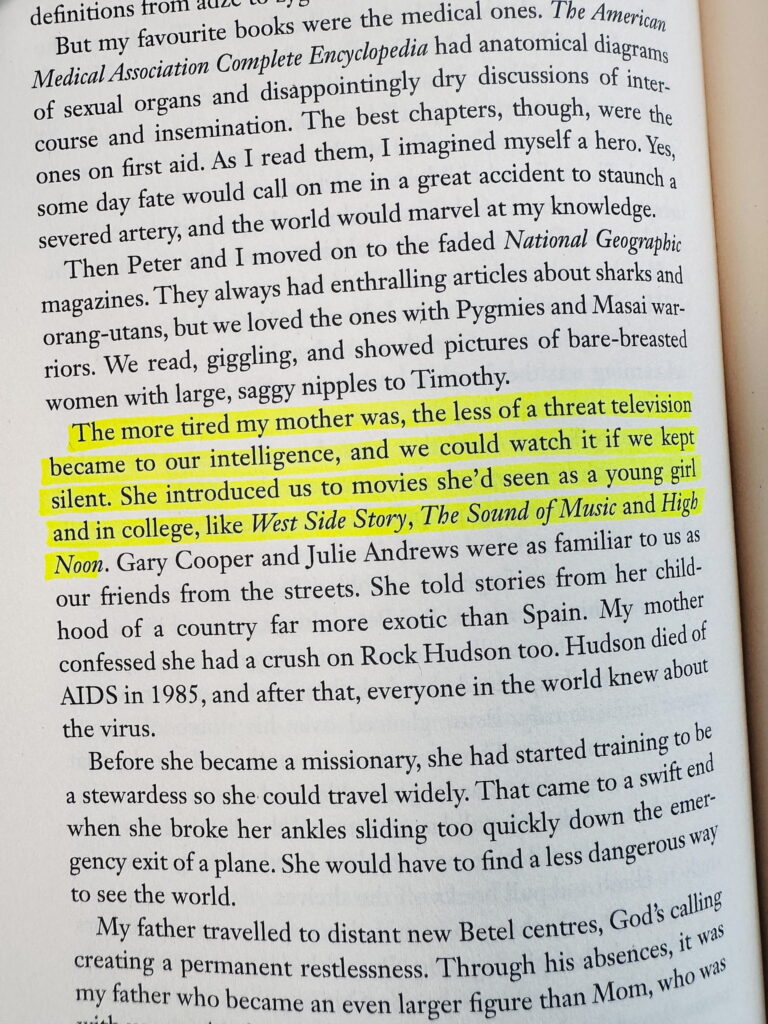

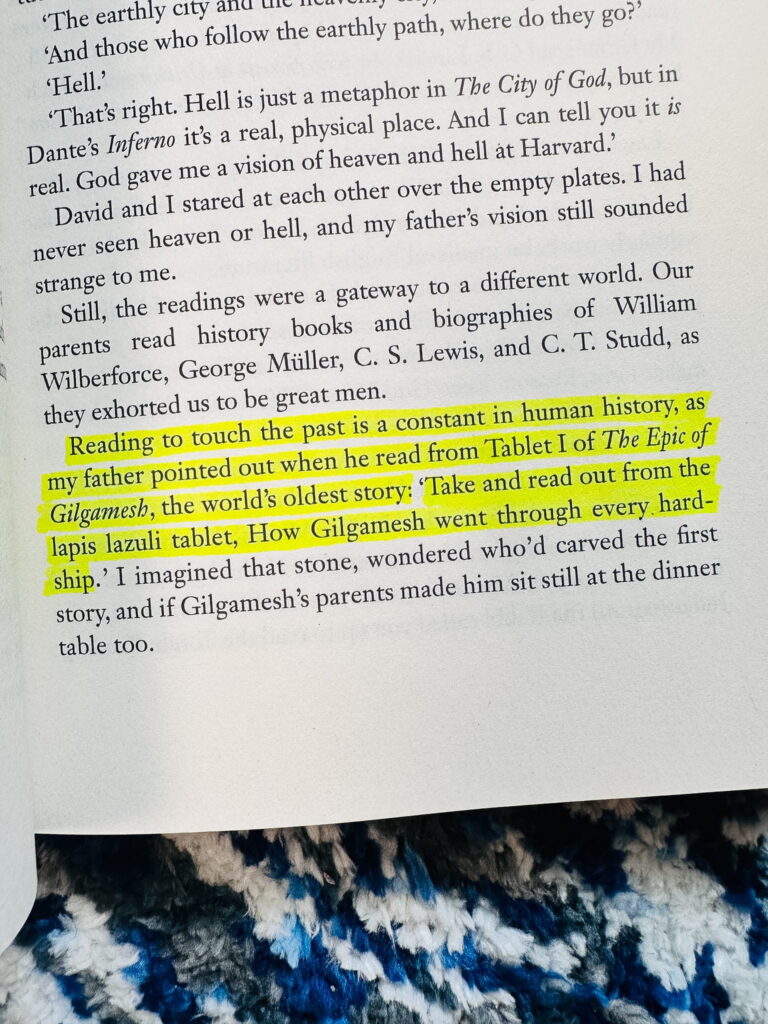
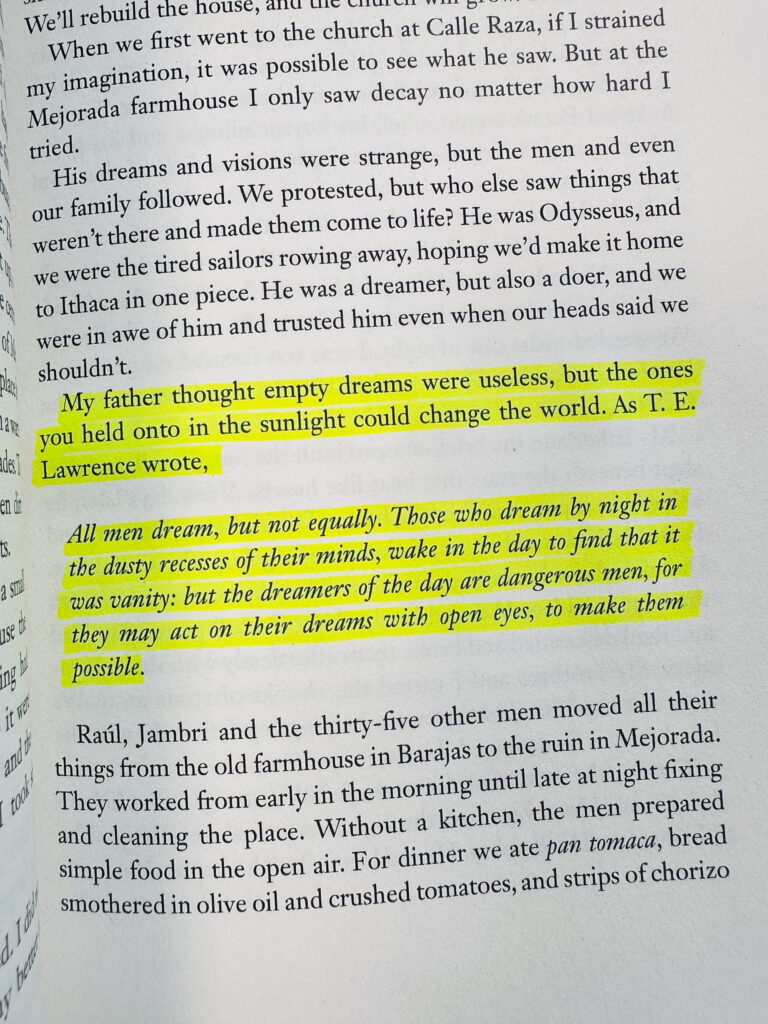

Amidst this chaos and sorrow, Jonathan finds a refuge in the world of books. His parents turned their home into a temple of learning, where the works of Dante, C.S. Lewis, and the Apostle Paul were discussed over the dinner table. For Jonathan, reading was a magic carpet that allowed his mind to roam free even when he felt trapped by his surroundings. He became what the scientist Ramon y Cajal called a sculptor of his own mind. He taught himself complex subjects from his older brother’s used textbooks, driven by a desire to make sense of a senseless world and to honor the memory of the brother he lost.
The culmination of his intellectual journey is his selection as a Rhodes Scholar, a moment of triumph that feels bittersweet because those he wanted to share it with most were no longer there. Yet, the book concludes with a powerful realization. He discovers that while we are responsible for our own growth, we never truly build ourselves alone . We are formed by the love of our families, the loyalty of our friends, and the grace that we receive from others. The final pages of the memoir are an ode to the poetry of music and the resilience of the human heart .
Shooting Up is a book that refuses to look away from the ugly parts of life, yet it never loses sight of the beauty that can be found in the cracks. It is a story about the power of memory and the way our past shapes our future. It reminds us that while suffering is a certainty, the answer to it is always more love . It is a deeply moving reflection on a unique childhood that has much to say to all of us about what it means to be human and what it means to survive. Jonathan Tepper has written a tribute to the “lost generation” of San Blas and a testament to the fact that even in a yard of hell, grace can find a way to flourish. This memoir is a beautiful, aching, and ultimately triumphant work that stays with you long after the final page is turned.