Physical Address
304 North Cardinal St.
Dorchester Center, MA 02124
Physical Address
304 North Cardinal St.
Dorchester Center, MA 02124

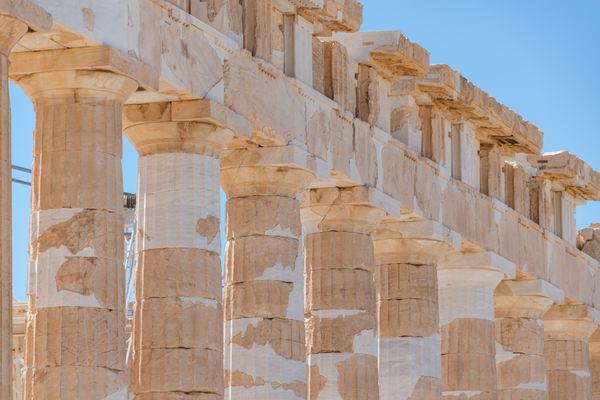
What happens when the myths we read about in school turn out to be real, flesh-and-blood entities hiding from a world that moved on without them? This is the fascinating question at the heart of When All The Gods Died, a novel that masterfully bridges the gap between modern relationship anxieties and the towering, dusty majesty of Greek mythology. It is a story that strips away the sterile, academic distance of classical antiquity and forces us to confront the gods not as distant, perfect statues, but as tragic, vulnerable beings carrying millennia of psychological baggage.
The narrative kicks off with a literal and metaphorical crash. Andrew, an assistant professor of archaeology from New Jersey, and his fiancée, Rhea, set off on what was supposed to be a romantic island-hopping getaway in Greece. Hoping to escape the quiet resentments and frequent silences that have begun to fracture their relationship back home, Andrew rents a Cessna Citation II. But his lack of experience flying in Greek airspace, combined with sudden, ferocious weather, leads to a devastating crash on a mysterious, uncharted island. When Andrew finally stumbles out of the wreckage, bleeding and disoriented, Rhea is nowhere to be found.
Thus begins a desperate rescue mission that quickly spirals into the surreal. Andrew soon discovers that this island, hidden between Crete, Naxos, and Ikaria, is concealed by twin mountain peaks that shield it from modern radar. More shockingly, it is the last active stronghold of the Olympian pantheon. The book establishes a brilliant historical premise: the ancient Greek gods did not simply vanish into thin air; instead, they retreated to this isolated sanctuary to escape the rise of Christianity after Emperor Constantine declared it the state religion. For over seventeen hundred years, they have lived quietly alongside a small, faithful population of mortals, maintaining a fragile, ancient way of life untouched by the outside world.
What makes this novel so uniquely compelling is its deeply humanised portrayal of the deities. Rather than presenting them as untouchable, flawless figures of worship, the story depicts the gods as deeply broken individuals struggling with their own eternal traumas. We encounter Hephaestus, a physically scarred craftsman who labors tirelessly in his forge, constantly battling a profound sense of worthlessness and the bitter memory of his mother Hera casting him off Olympus as an infant. We meet Heracles, a towering figure who carries the unbearable weight of his own violent past, forever haunted by the family he slaughtered in a fit of divine madness.
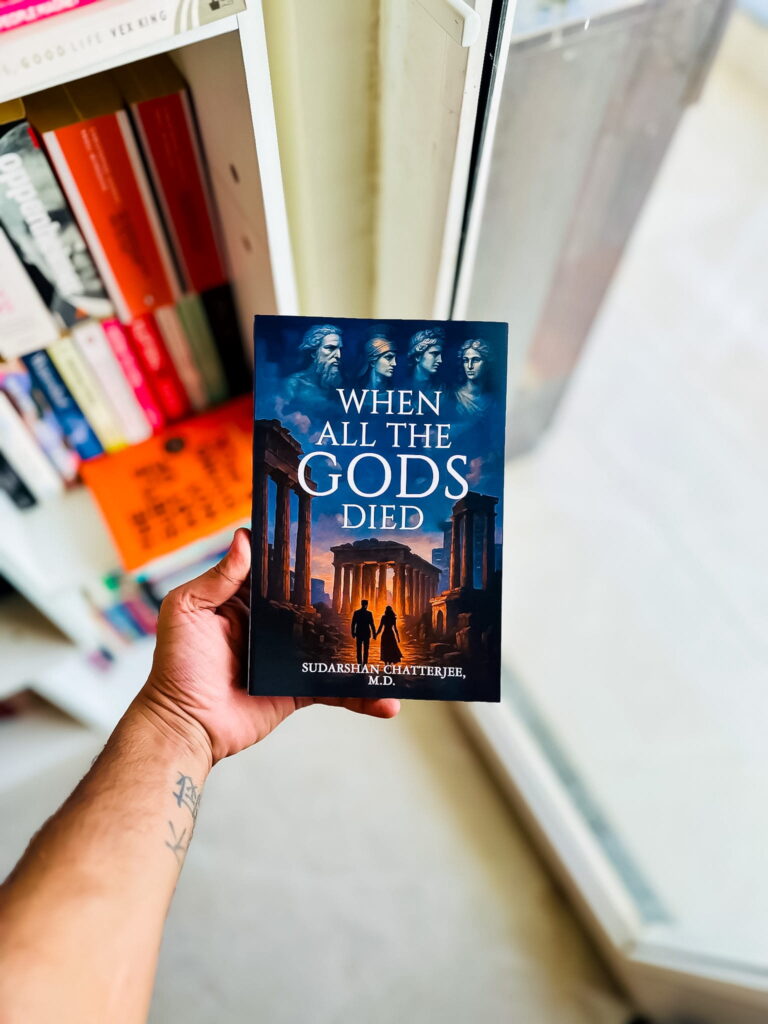
We are also introduced to Aphrodite, who, despite being the goddess of love, suffers from a profound, aching isolation. She is trapped by her own dazzling beauty, privately frustrated that both mortals and immortals only value her for her physical form and eternal youth, rather than who she is beneath her golden skin. Even Apollo, the god of light and reason, is portrayed as a deeply tragic figure, eternally mourning the violent, untimely losses of those he loved, including Daphne and Hyacinthus.
As Andrew searches for Rhea, the novel highlights the friction between modern, intellectual logic and the ancient, unpredictable power of the deities. Andrew initially tries to rationalize his surroundings, assuming the villagers are simply playing roles in a massive, cult-like historical reenactment. But as he is dragged into ancient festivals like the Anthesteria and the Thesmophoria, his rigid, scientific worldview begins to decay.
Meanwhile, Rhea undergoes her own quiet transformation. Carrying a deep Cretan heritage that her parents carefully tried to hide from her as a child, she finds a strange sense of comfort and healing in the island’s ancient rhythms. While Andrew frantically tries to repair his plane’s radio to call for help from the mainland, Rhea begins to embrace the island, seeking shelter in a cave guarded by Zeus’s sentries.
The tension reaches a boiling point when Andrew’s modern communication attempts inadvertently threaten the island’s safety. The gods are fiercely protective of their last refuge, knowing that the outside world is hostile to their traditions. This clash between the sacred, frozen past and the relentless, sterile present leads to a dramatic, inevitable confrontation as modern military ships gather off the coast. The narrative culminates in a hauntingly symbolic ending that mirrors the ancient Greek tragedy of Alcestis, leaving readers with profound questions about guilt, devotion, and what we are willing to sacrifice for the ones we love.
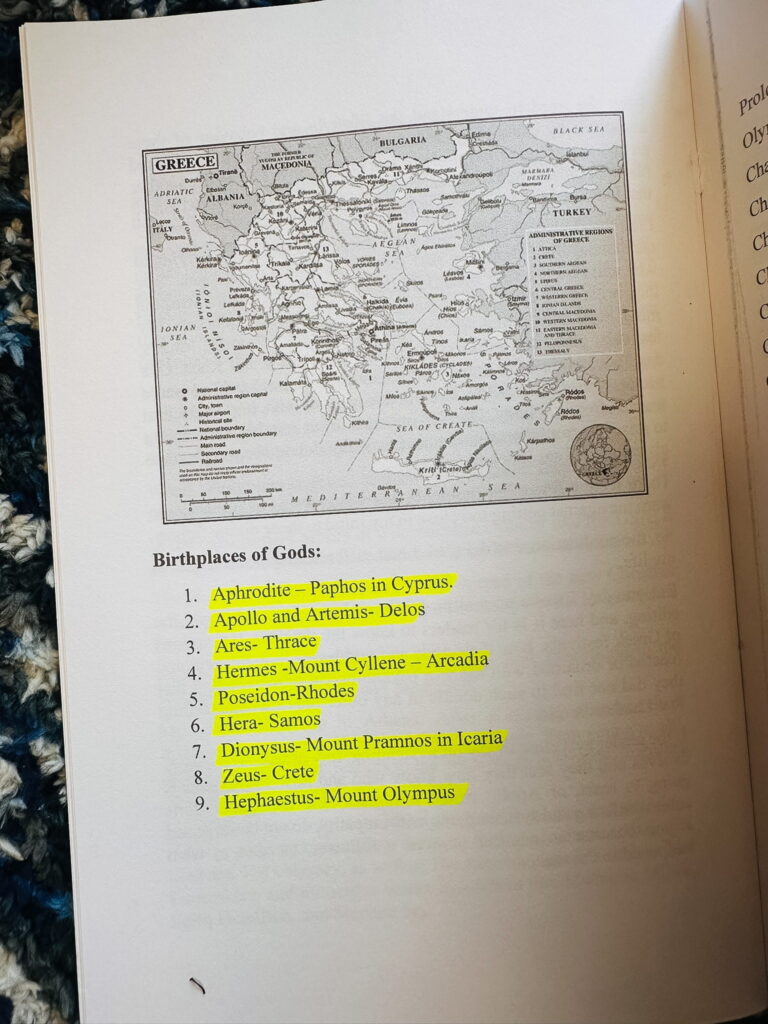
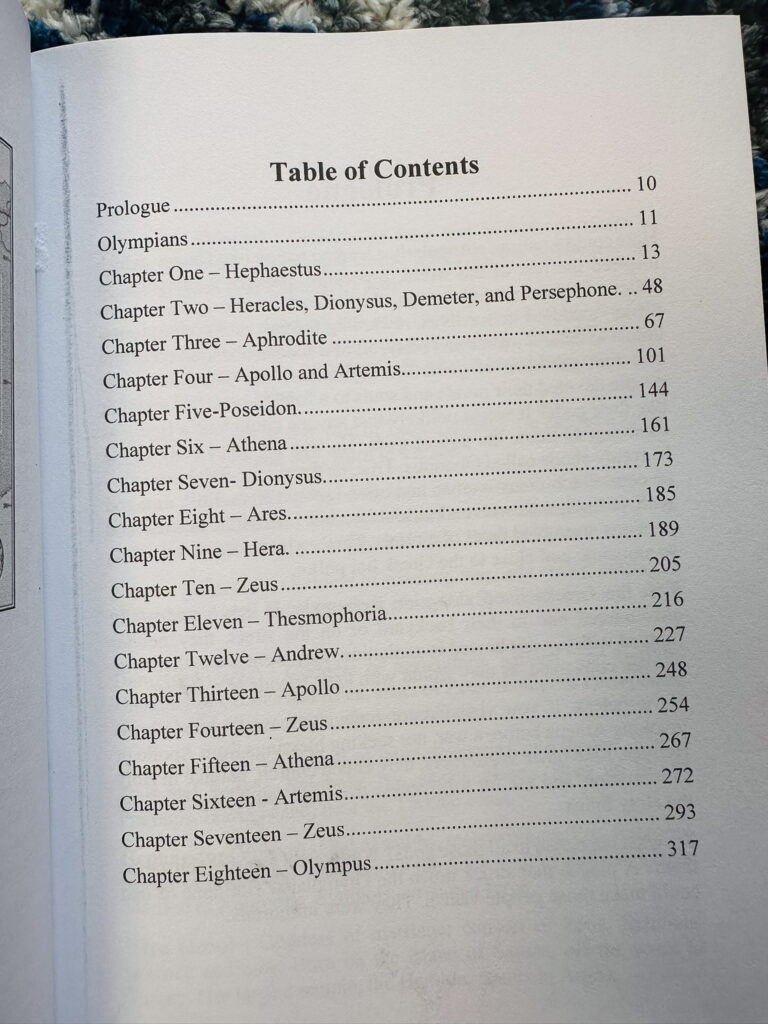
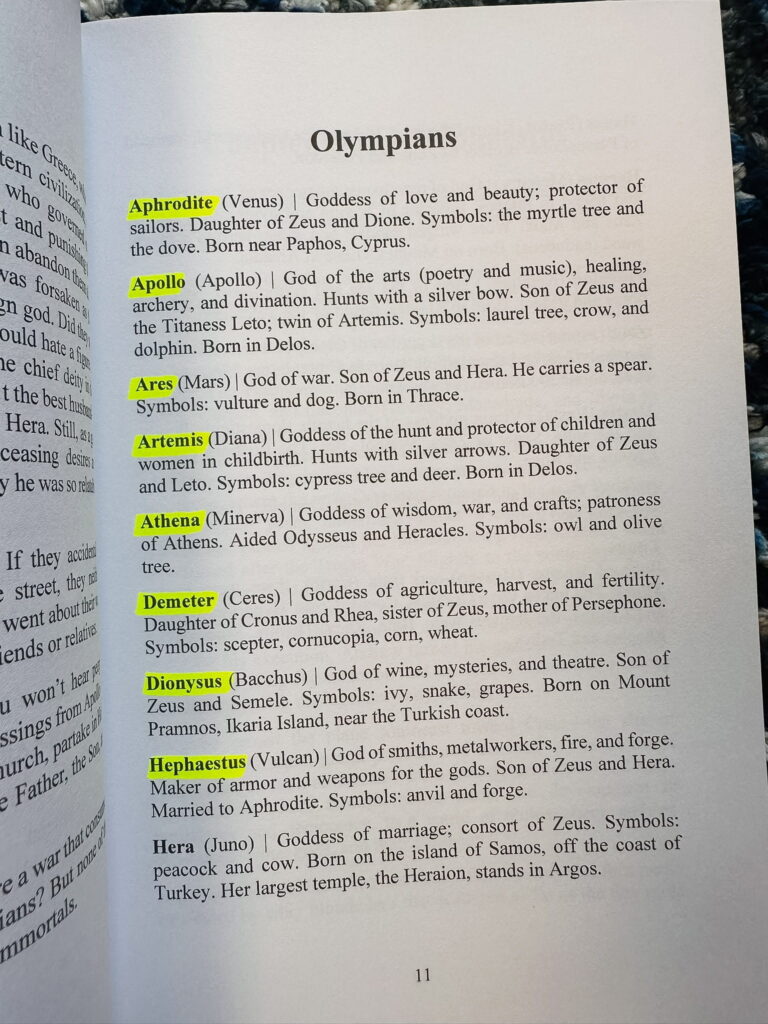
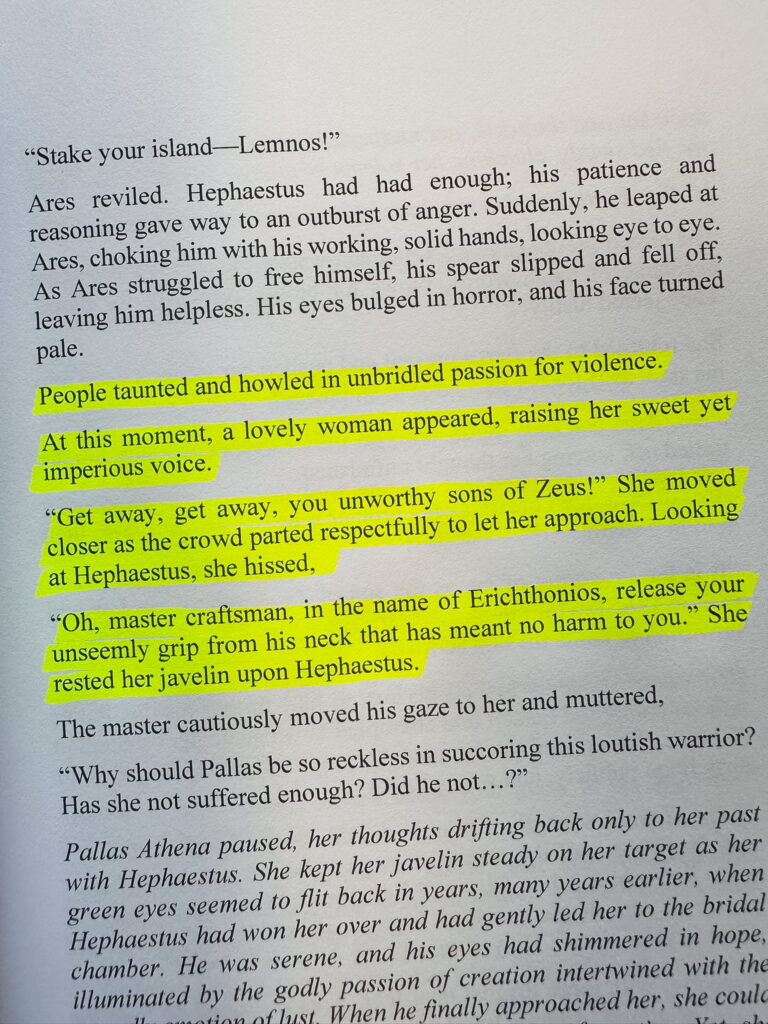
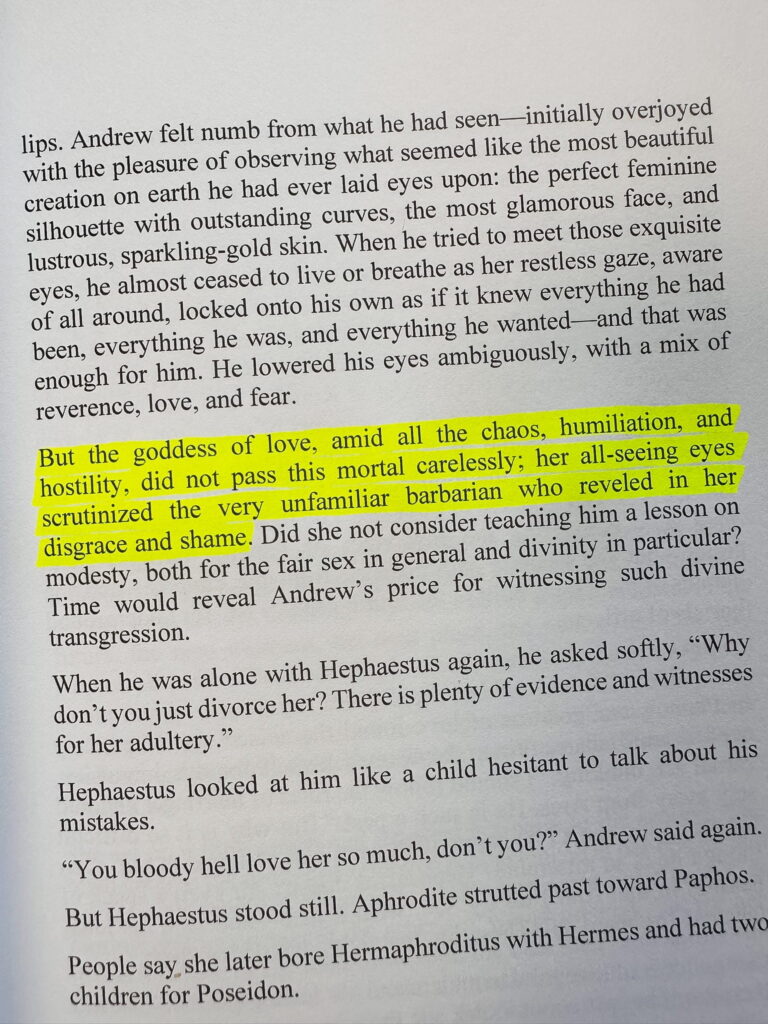
You should read When All The Gods Died because it completely turns classical mythology on its head. It is not a dry history lesson or a simple fantasy adventure; it is a rich, character-driven psychological drama that breathes raw, beating life into figures we usually only see on museum friezes. The book beautifully explores the universal human struggle to find meaning and connection when everything we thought was true has been stripped away.
If you are looking for an atmospheric mystery that combines tense relationship drama with a deeply imaginative and philosophical mythological escape, this book is an absolute must-read.