Physical Address
304 North Cardinal St.
Dorchester Center, MA 02124
Physical Address
304 North Cardinal St.
Dorchester Center, MA 02124


Navigating the Tensions of Time and Transcendence
Life is often defined by the “links” we forge—the connections between our past failures, our present struggles, and a future that constantly feels like it’s slipping through our fingers. This is the heavy, atmospheric world of Edge of Link, a narrative that feels less like a traditional novel and more like a late-night deep dive into the soul of a man standing on the brink of something transformative. As someone who has navigated the post-grad transition, I found the book’s exploration of time, resilience, and the human “countdown” to be incredibly grounded, even when it veers into the philosophical.
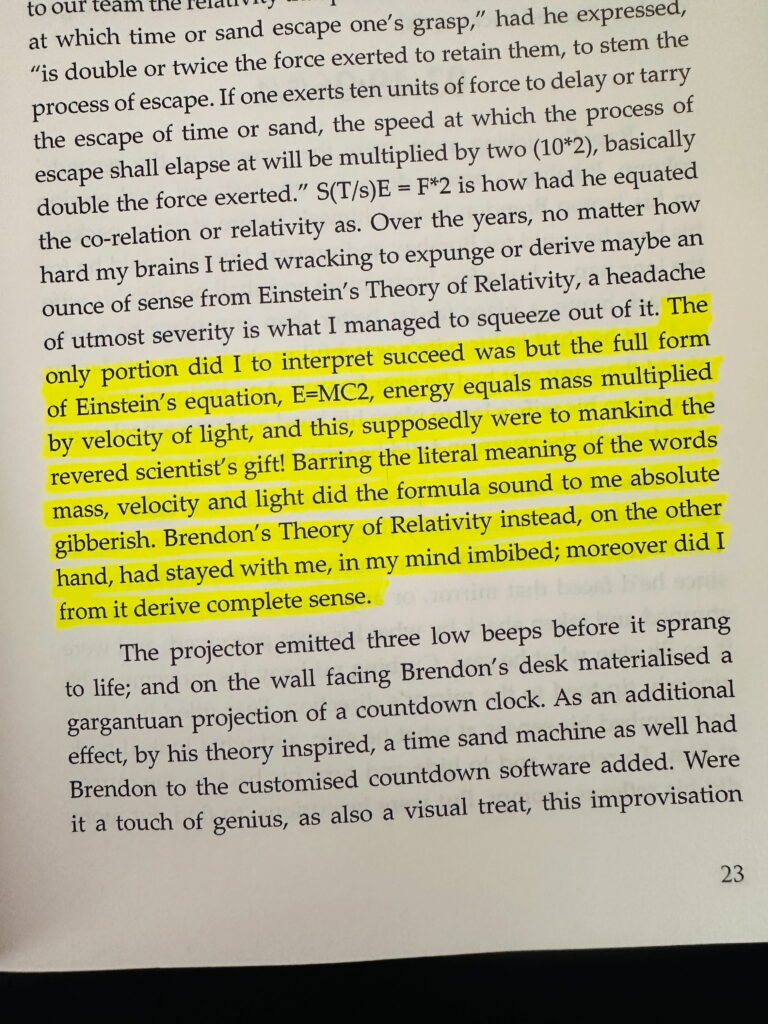
The story opens in a nicotine-stained guesthouse in Chennai, where a character named Brendon is deep into the “penultimate segment” of a project that has consumed his life. The room is a chaotic laboratory of life-sized LED monitors and high-end gizmos, representing a “self-imposed exile” from the real world. Brendon’s reality is governed by a digital countdown clock, where sand pixels trickling through a virtual hourglass serve as a constant reminder that “time is of essence”.
This opening sets a profound tone. It asks the reader: “What’s more important? Is it the work we dive into or the pressure driving us? … Is it the memories that can be cherished? Is it the chapters you want redone?”. For any of us who have stayed up until 3:00 AM chasing a goal while the rest of the world sleeps, this atmosphere of “psychosomatic dependence” on caffeine and progress is all too familiar.
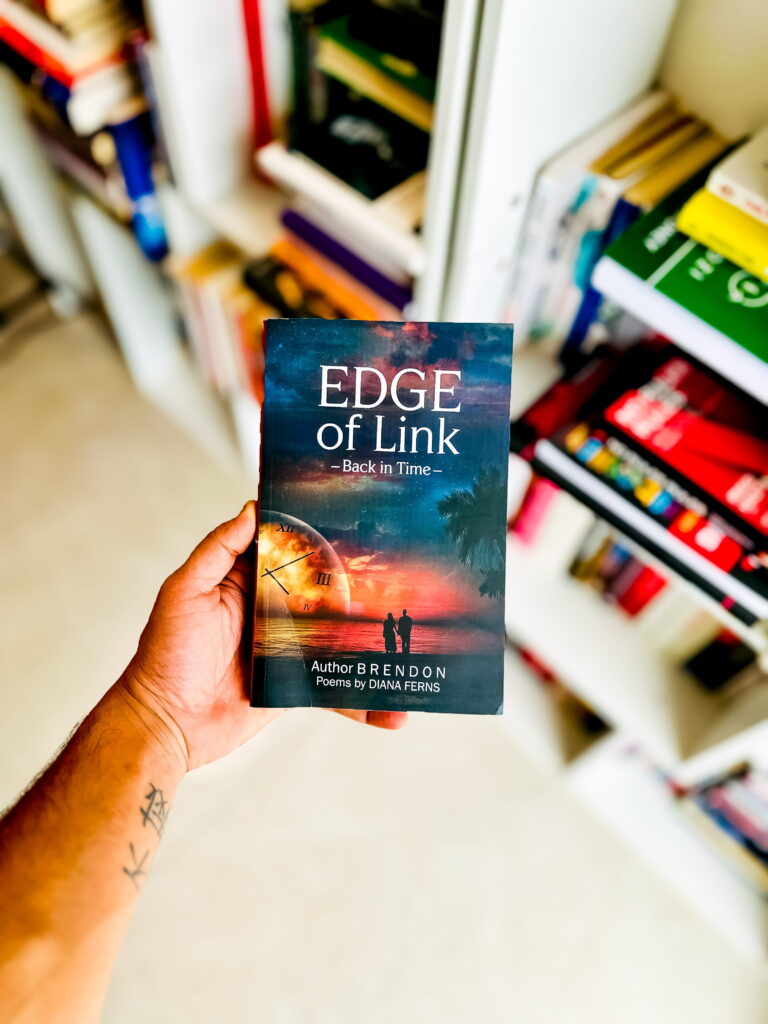
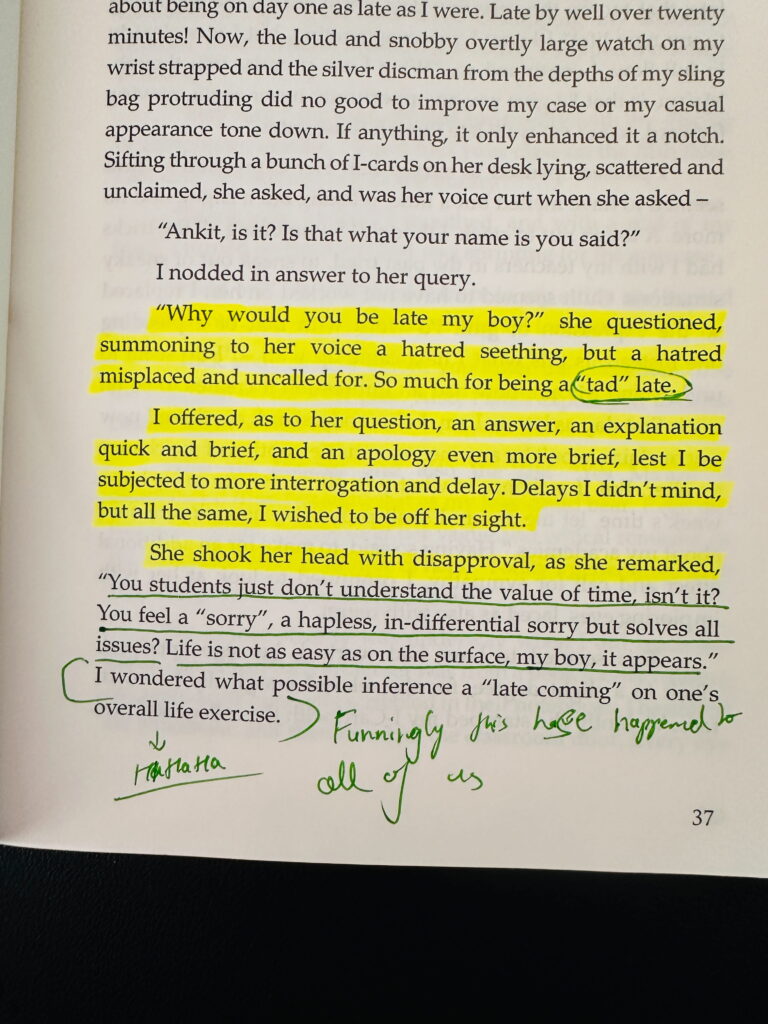
The heart of the book, however, lies in the journey of Ankit. Unlike many protagonists who seem to have life figured out, Ankit’s path is messy. He describes a “dark phase” of his life where he felt like an “outcaste” and a “wastrel” after failing his Grade 12 exams—specifically due to his “old foe,” Mathematics. While his childhood friends, like Gollu and Argo, were off becoming doctors and IT professionals, Ankit was stuck “cooling his heels” and watching his future drift into darkness.
The writing here is refreshingly human. It captures the shame of disappointing parents—the way a mother serves food in “disgust” as if handing alms to a vagrant—and the erosion of self-esteem that comes with feeling behind in life. Ankit’s eventual pivot into the BPO sector, moving through various call centres like SITEL and Three Global Services, reflects a gritty, realistic climb toward self-discovery. It’s a reminder that our character is often “moulded” by the years we’d rather forget.
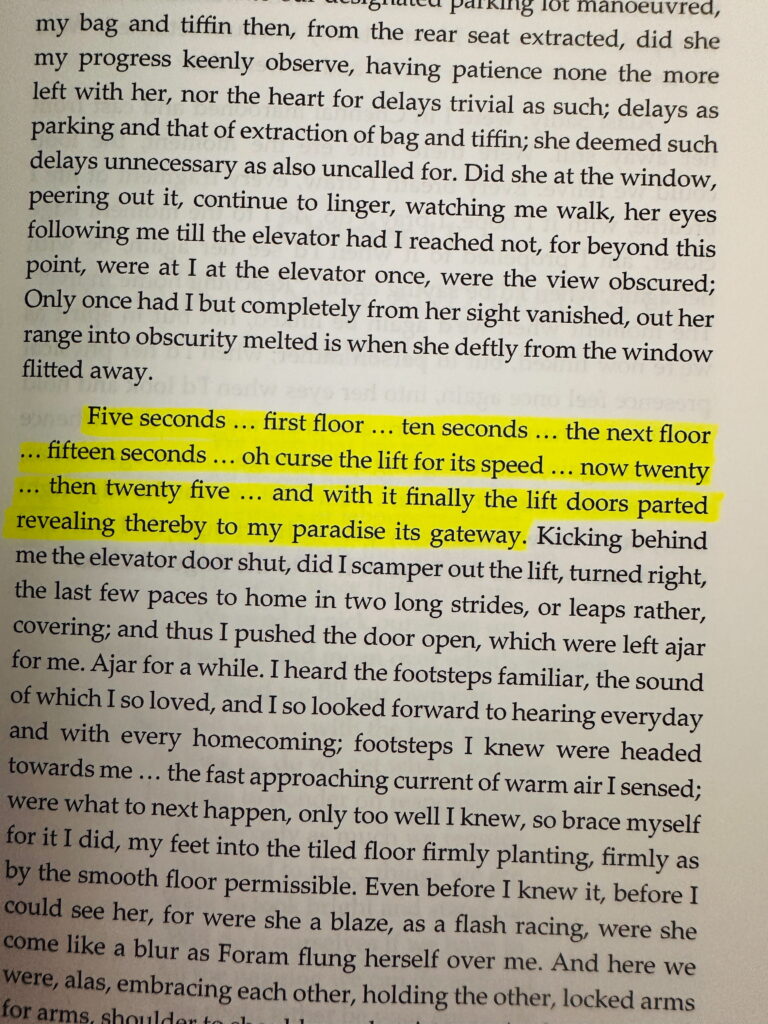
Central to Ankit’s world is Foram. Their relationship is the ultimate “Phase Transition”. It didn’t start with fireworks; in fact, they initially “loathed each other” during their junior college days at Dalmia College. She was the refined girl from the elite IC Colony, and he was the arrogant guy with shredded jeans.
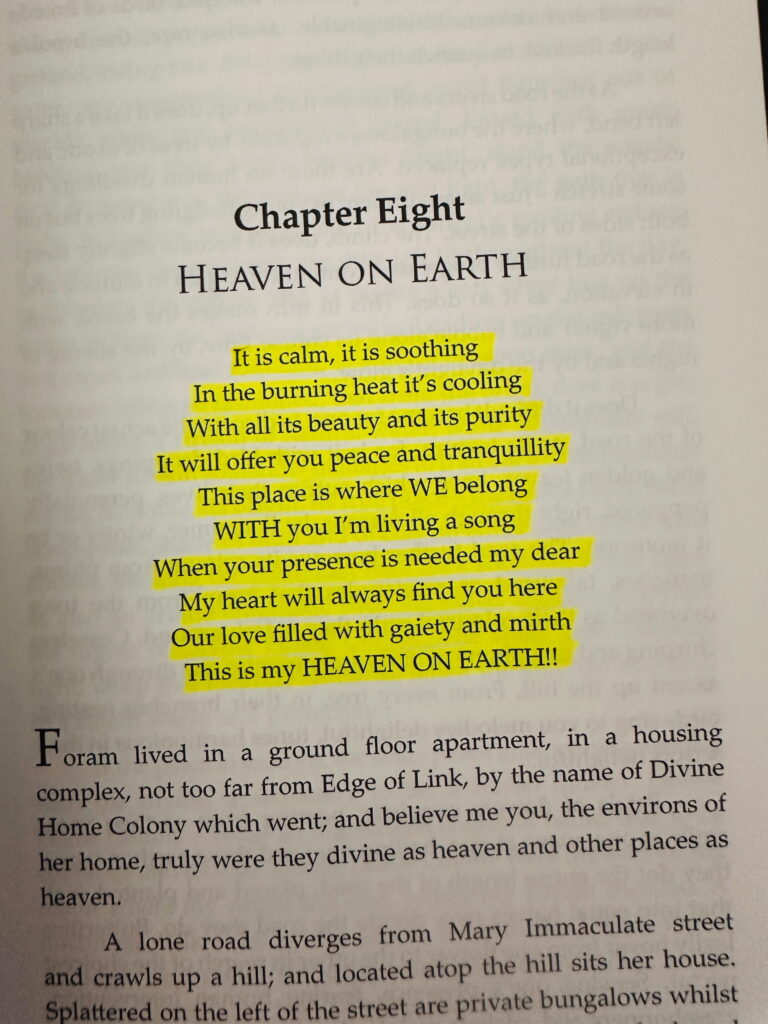
The transition from academic rivals to soulmates is built on small, nostalgia-soaked moments: a borrowed Economics journal, shared “Kalakhattas” at a roadside stall, and long bike rides through the rain. Their love story is set against the backdrop of “Heaven on Earth”—the Divine Home Colony—a sanctuary of brooks, oak gates, and angel figurines.
However, their connection isn’t without its obstacles. The narrative touches on the very real-world friction of cultural expectations. Foram’s father warns Ankit that their union “can’t work” because of their different backgrounds, even invoking the superstitious dread of “Mangal Dosha,” claiming Ankit would literally die if he married her. Despite these “warning bells,” their bond only strengthens, proving that trust is the most vital component in any relationship.
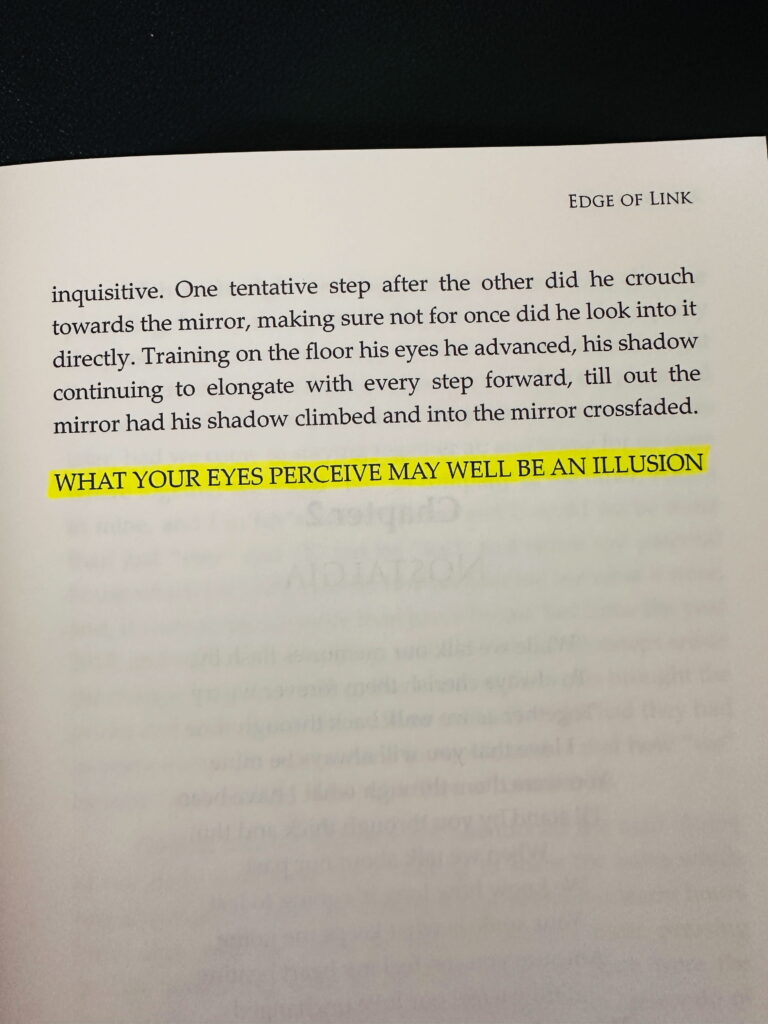
As the story moves toward its climax, the concept of the “Edge of Link” becomes more urgent. There is a sense of “impending destiny”. The mystery of Brendon’s project in Chennai begins to intertwine with medical themes and a “secure server” monitoring unusual data. The mentions of “Euthanasia” and a “life-changing” realization add a layer of tension that moves the book from a nostalgic romance to something much more complex.
The book suggests that we are all on a countdown. Whether it’s the countdown to a wedding anniversary, the arrival of a first child, or a more sombre medical reality, we are all racing toward a “tipping point”. Ankit reflects on his wife as his “sanctum,” the person who makes him feel “complete and awhole”.
Edge of Link is a deeply reflective look at how we navigate the “labyrinth of electronic cables” and emotional baggage that makes up a modern life. It’s about the resilience required to pick ourselves up after falling and the “will to act” when life beats us down. Ultimately, the book is a testament to the “links” that keep us human—the shared memories of “days of gold” and the people who stand by us “through thick and thin”. It’s an unstructured, human read that reminds us that while we might be running out of time, the connections we make are what truly define the journey.