Physical Address
304 North Cardinal St.
Dorchester Center, MA 02124
Physical Address
304 North Cardinal St.
Dorchester Center, MA 02124


Why Adding More to Your Life Won’t Fix the Emptiness
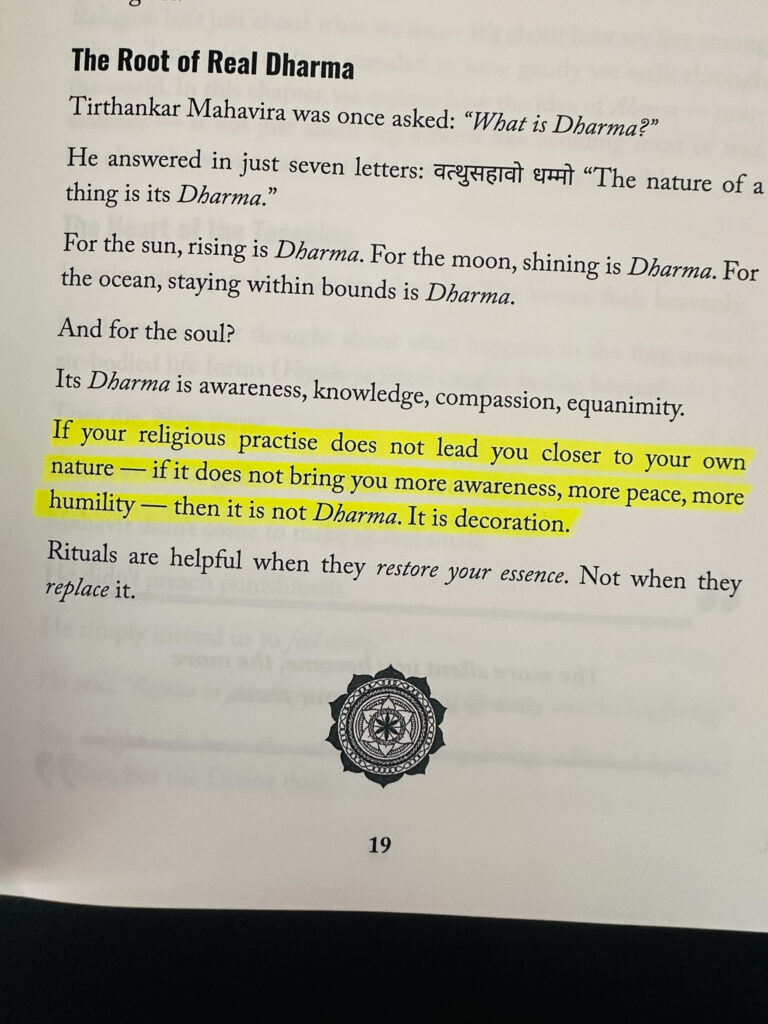
We live in an era of endless optimization. We are constantly chasing more wealth, better health, and deeper relationships, secretly telling ourselves, “I’ll be happy once this is done”. Yet, even when we acquire exactly what we desire, we often feel an unshakable inner restlessness. The book Alive Inside tackles this modern dilemma not by offering another self-help checklist, but by diving deeply into ancient Jain wisdom to ask a fundamental question: Are we actually transforming, or just going through the motions? The book challenges us to investigate our inherited beliefs—what it calls Kulachar, or religion by tradition—and pushes us toward true inner realization. Real spirituality isn’t about blind obedience or cultural costumes; it is about awakening. If our religious or spiritual practices do not soften our hearts, sharpen our awareness, or deepen our peace, they remain empty routines.
Why does getting what we want rarely keep us happy? The book illustrates this beautifully with the “rasgulla” thought experiment. Imagine eating this syrup-soaked Indian sweet when you are starving—it feels like pure bliss. But if you are forced to eat ten of them in one sitting, that exact same sweet becomes sickening. This reveals a profound truth about human nature: the joy was never actually in the sweet itself, but in the temporary relief from your own desire. Once the craving faded, the pleasure vanished right along with it. Modern life traps us in a cycle of replacing one fulfilled desire with a brand new craving. We see this in a story of a man who ate a wild plant seed that entirely stopped his hunger for three weeks; when he was subsequently invited to a grand feast, he was miserable because he had no desire to eat, proving that we are actually addicted to the feeling of wanting. True happiness, the book argues, is not found in possessing things, but in mastering the “art of enough”. Fulfillment comes from what we learn to release, creating space in our lives for stillness and gratitude. We are like the beggar clutching a bowl of stale food, terrified to throw it away to make room for a warm, nourishing meal from a wise sage.
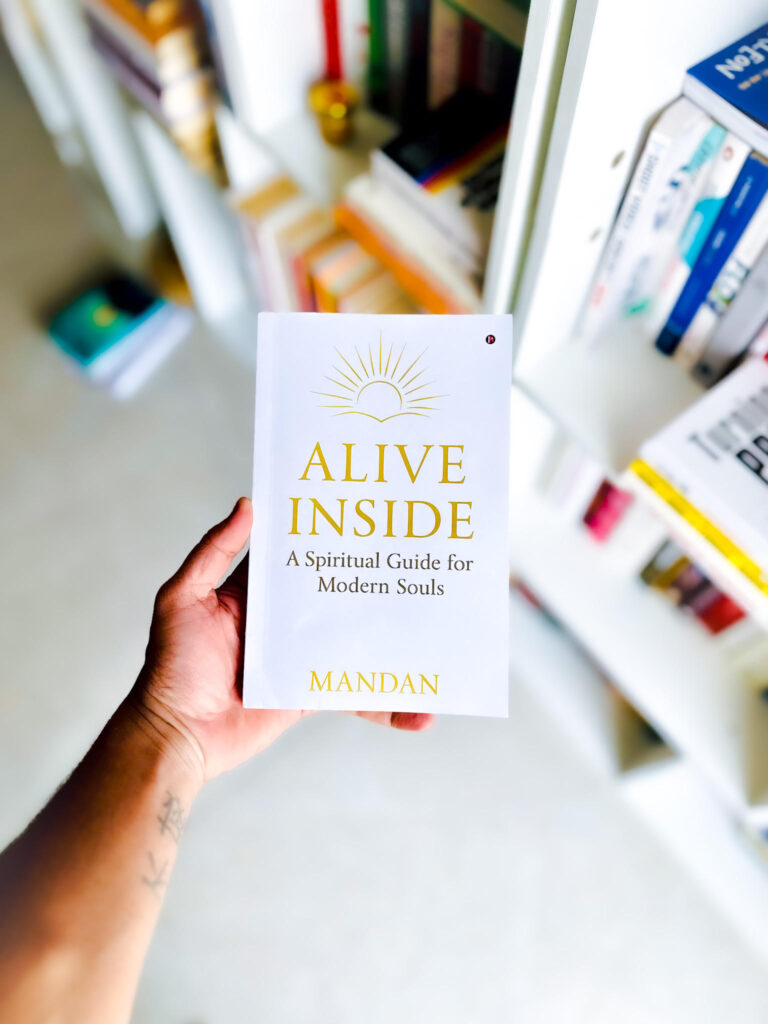
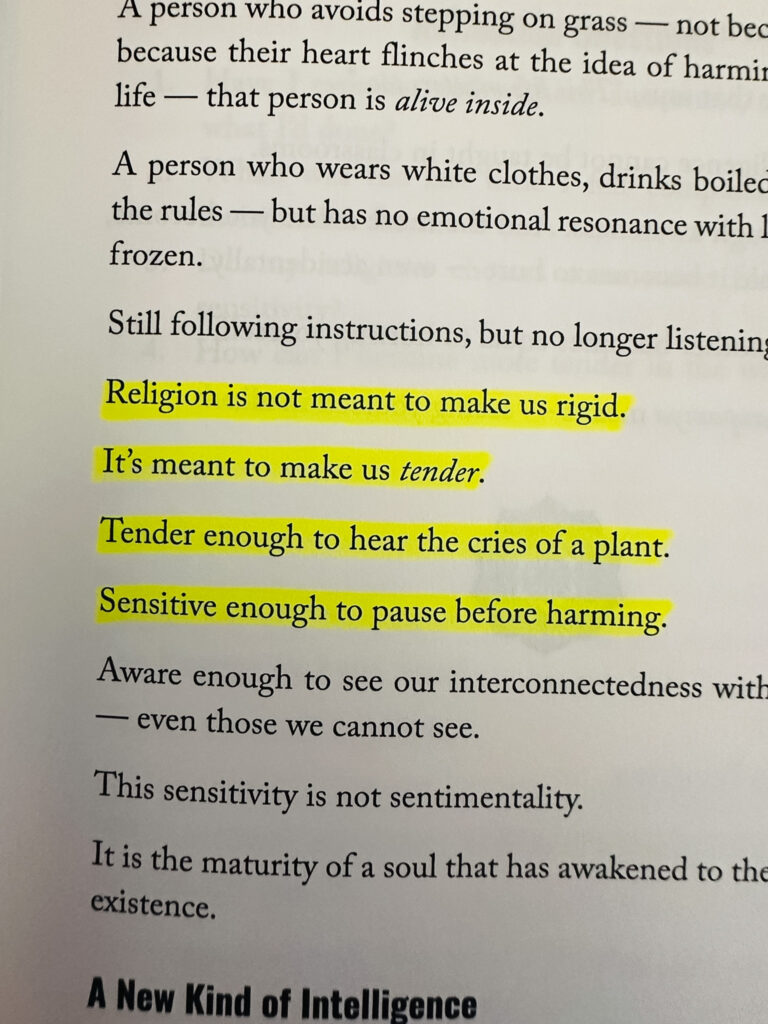
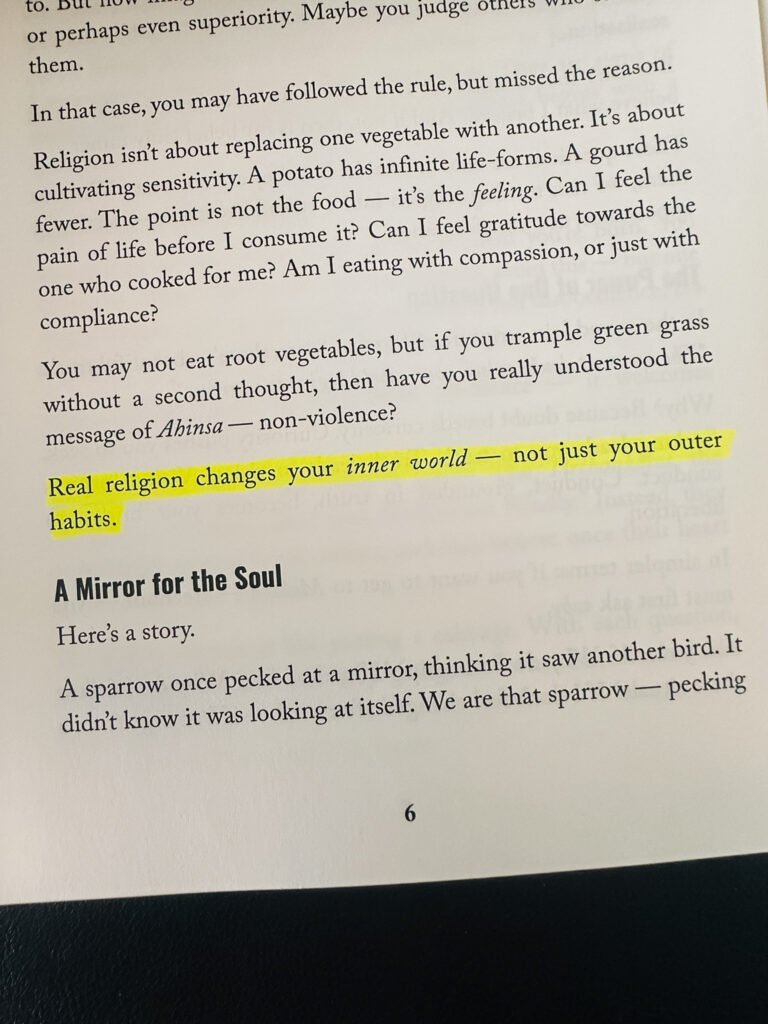
Alive Inside also radically redefines how we view religious rules and morality. It warns against treating spirituality like a performance, such as strictly avoiding root vegetables while remaining full of anger, pride, or judgment. The true purpose of these rules is to cultivate Ahinsa (non-violence) and deep empathy. Real spiritual maturity is marked by Atmaupamya—the ability to see yourself in all living beings and feel their joy or sorrow as your own. It means becoming so tender and sensitive that you consciously avoid stepping on a patch of grass, not out of fear of breaking a rule, but because your awakened heart flinches at the thought of harming even invisible, microscopic life forms. When your soul is refined, your choices change simply because you feel interconnected with everything that breathes.
One of the most powerful shifts the book offers is its perspective on hardship. We often mistakenly treat religion as a rescue boat meant to make our problems magically disappear. But the text asserts that religion doesn’t rescue; it strengthens. It doesn’t stop the fires of life; it gives you the steady equanimity to walk straight through them. Take the story of the devoted minister who rushed barefoot to the temple, tripped on a stone, and severely injured himself. He felt betrayed by God until a wise monk revealed that his karma was originally leading him into the path of a charging, mad bull. The painful fall was actually divine protection in disguise. Life is like a mother who lets go of her toddler’s hand; the child wobbles and falls, crying out, not realizing the fall is absolutely necessary to build balance and strength. Alive Inside asks us to view our pain not as punishment, but as a messenger meant to wake up our awareness. It shares the breathtaking story of Sujata, a mother who tragically lost her two young sons and viewed them simply as borrowed diamonds that the true owner had come to collect. Her profound surrender demonstrates that grace doesn’t mean pain disappears, but that you learn to carry it differently.
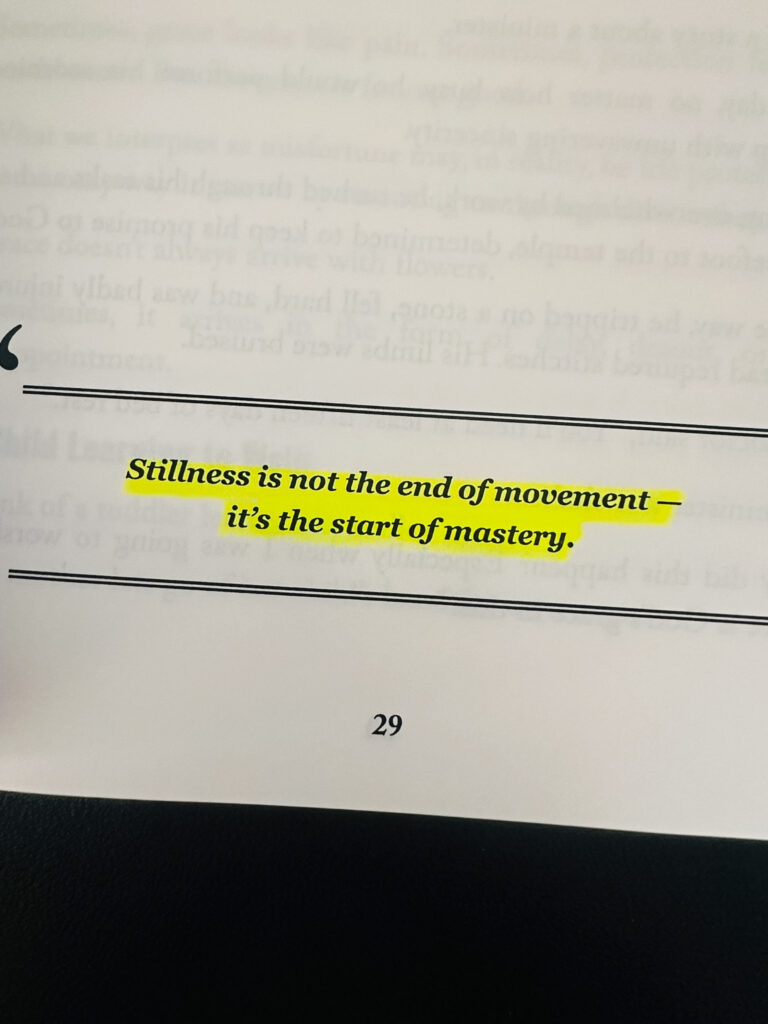
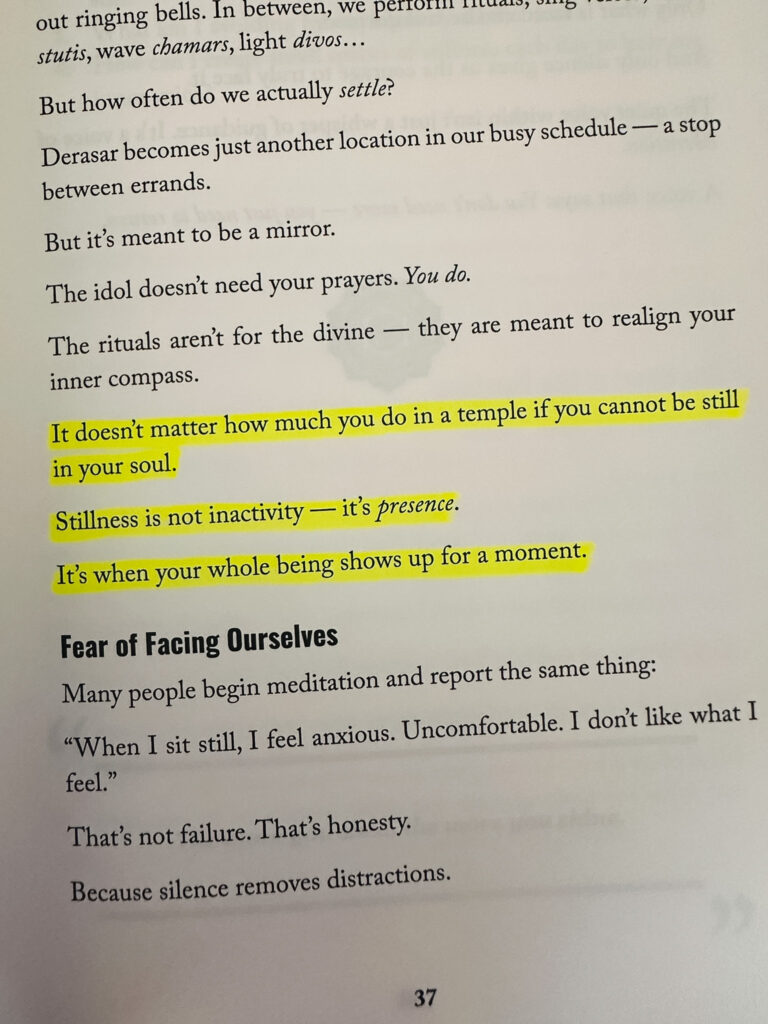
Finally, the book offers an incredibly comforting truth: you are not broken. We spend so much of our time trying to fix ourselves, but Jain philosophy teaches that the soul is already pure, full of knowledge, and blissful. It is simply covered by Ghati Karmas, or karmic veils, much like a thick curtain draped over a perfectly clean mirror. Our spiritual work is not to create light, but to gently remove these curtains. To do this, we must brave the noise of our own minds and sit in silence. Silence can be confrontational because it removes the distractions that hide our unprocessed emotions, but facing these emotions is the only way to heal. When we stop searching for fixes outside and tune into the quiet voice within, we taste Paramann—the ultimate nectar of inner peace.
Alive Inside is a beautiful reminder that we are born into this human life with a rare, extraordinary capacity for transformation. To live truly alive inside is to step off autopilot and live from the soul. It is a call to drop the unnecessary weight, walk barefoot into the sacred, and realize that everything we have ever been searching for is already shining brightly within us.